
What You Notice First

In the first few weeks, something shifts.
The room settles faster.
Students begin using shared language without prompting.
Transitions take less time.
Instruction starts sooner.
Teachers often describe it simply:
“It feels steadier.”
Not because children changed overnight.
Because structure replaced guesswork.
When foundational habits are practiced daily, behavior stops being the main battle.
What Grows Over the Year

The superheroes stop being characters. They become language.
Students:
• reference habits during recess
• remind one another of shared expectations
• reflect before reacting
• connect choices to identity
Teachers are not forcing the language.
Students carry it.
This is where agency begins to form.
This is where identity strengthens.
And when culture steadies, academics follow.
What Compounds Over Time
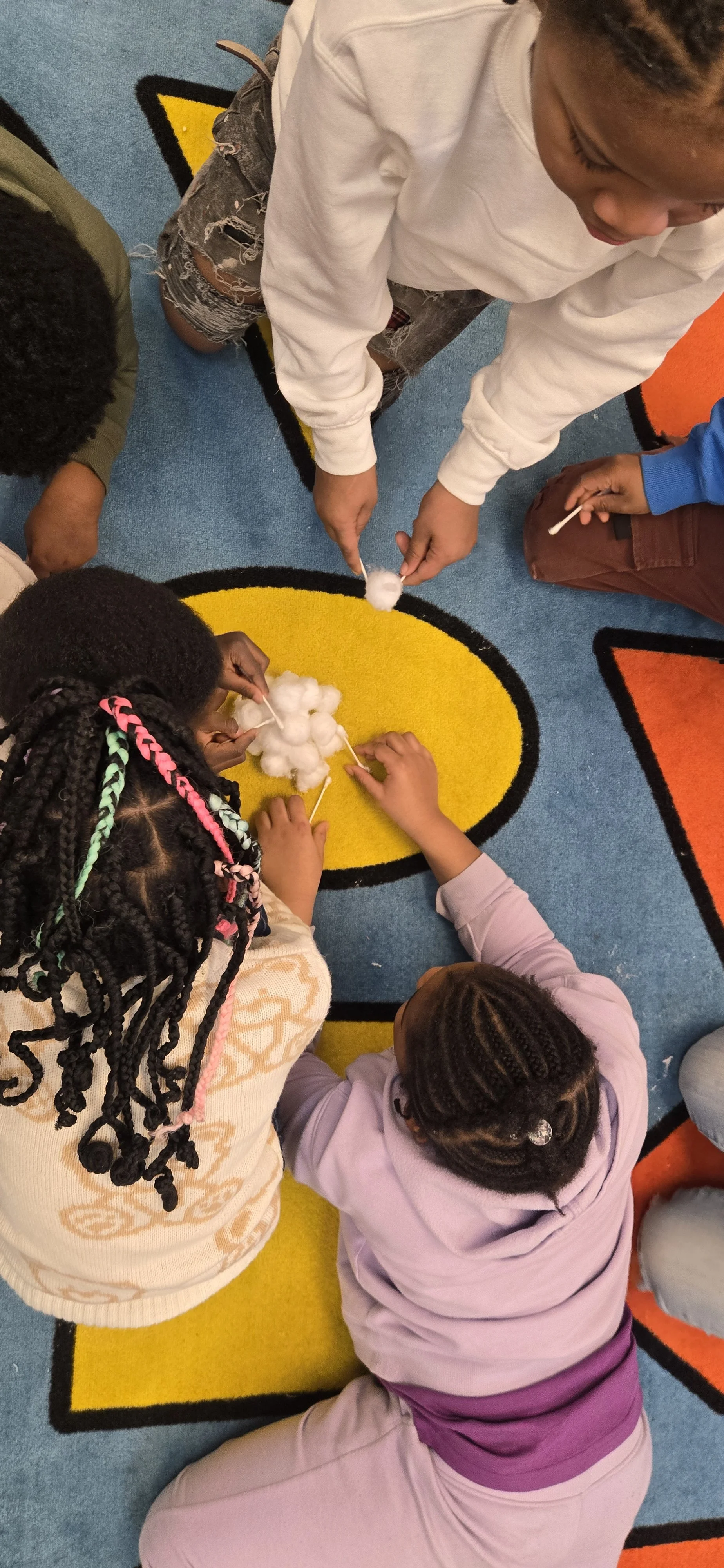
Foundation habits evolve.
Empathy becomes collaboration.
Perseverance becomes reflection and optimism.
Honesty becomes sound judgment.
As students progress through grades, moral habits expand into performance and intellectual habits.
This is where life and career readiness becomes developmental progression, not a poster on a wall.
A Closer Look: Random Lake Elementary
When Random Lake Elementary implemented structured daily habit practice, teachers initially described smoother starts and fewer daily escalations.
To understand the impact beyond anecdote, the school administered an independent AIMSweb SSIS survey.
Results showed measurable growth in student self-regulation and classroom climate indicators.
What began as a structured 20-minute daily practice became shared language that flowed across the school day.
That is the compounding effect of consistency.