
How Students Grow With UNYTUS
UNYTUS is intentionally designed as a growth arc across grade levels so students move steadily from foundational character habits to confident, thoughtful decision-makers.
What Compounds Over Time
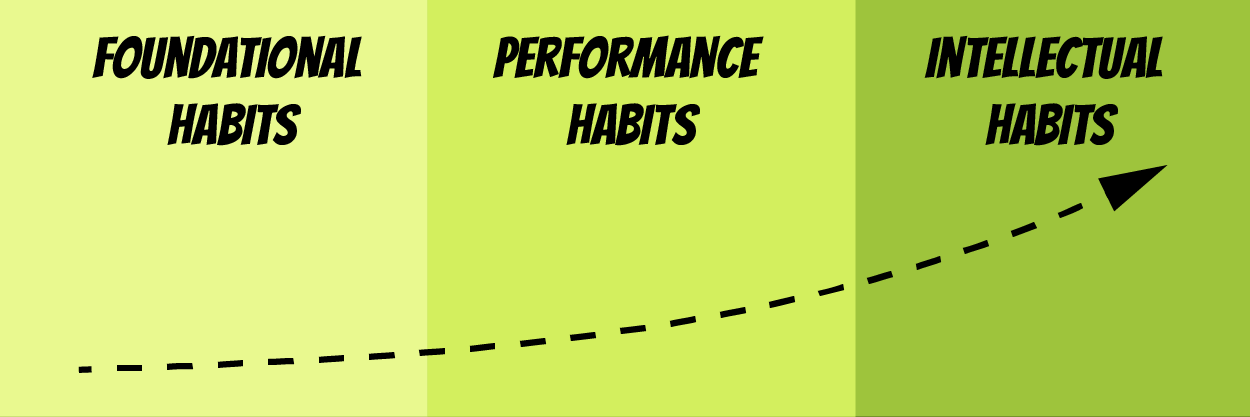
Foundation habits evolve.
Empathy becomes collaboration.
Perseverance becomes reflection and optimism.
Honesty becomes sound judgment.
Life and career readiness becomes developmental progression.
Stage 1: Foundational Habits, K–2
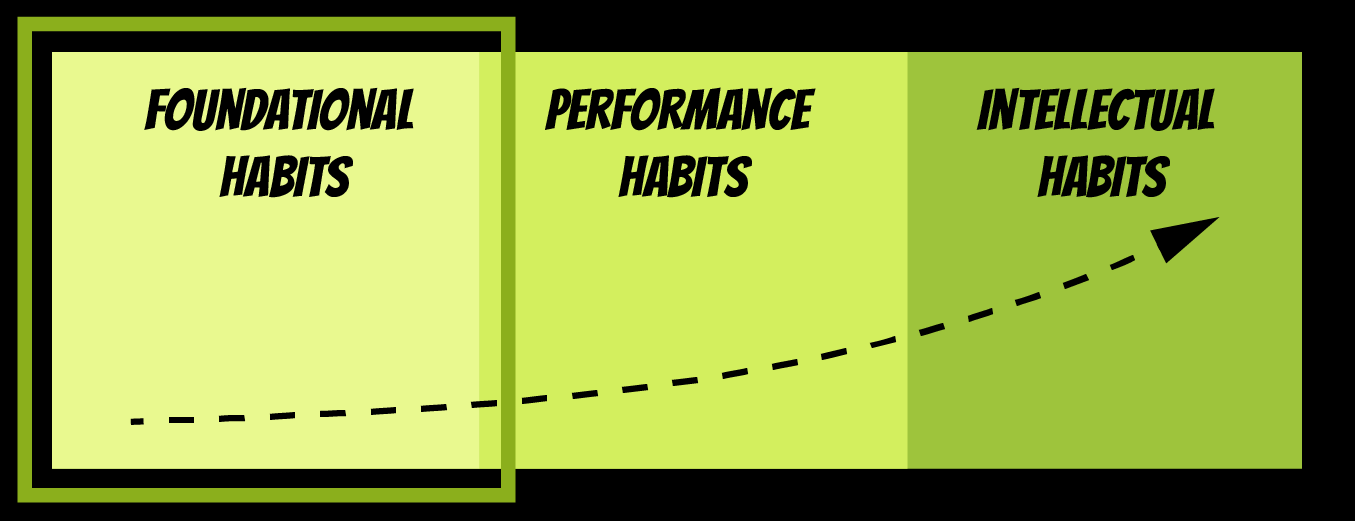
This is where identity begins.
Students meet characters like Kindus, Respectus, Perseus, and Empathus.
They learn what habits look like.
What they sound like.
What they feel like in real moments.
They practice:
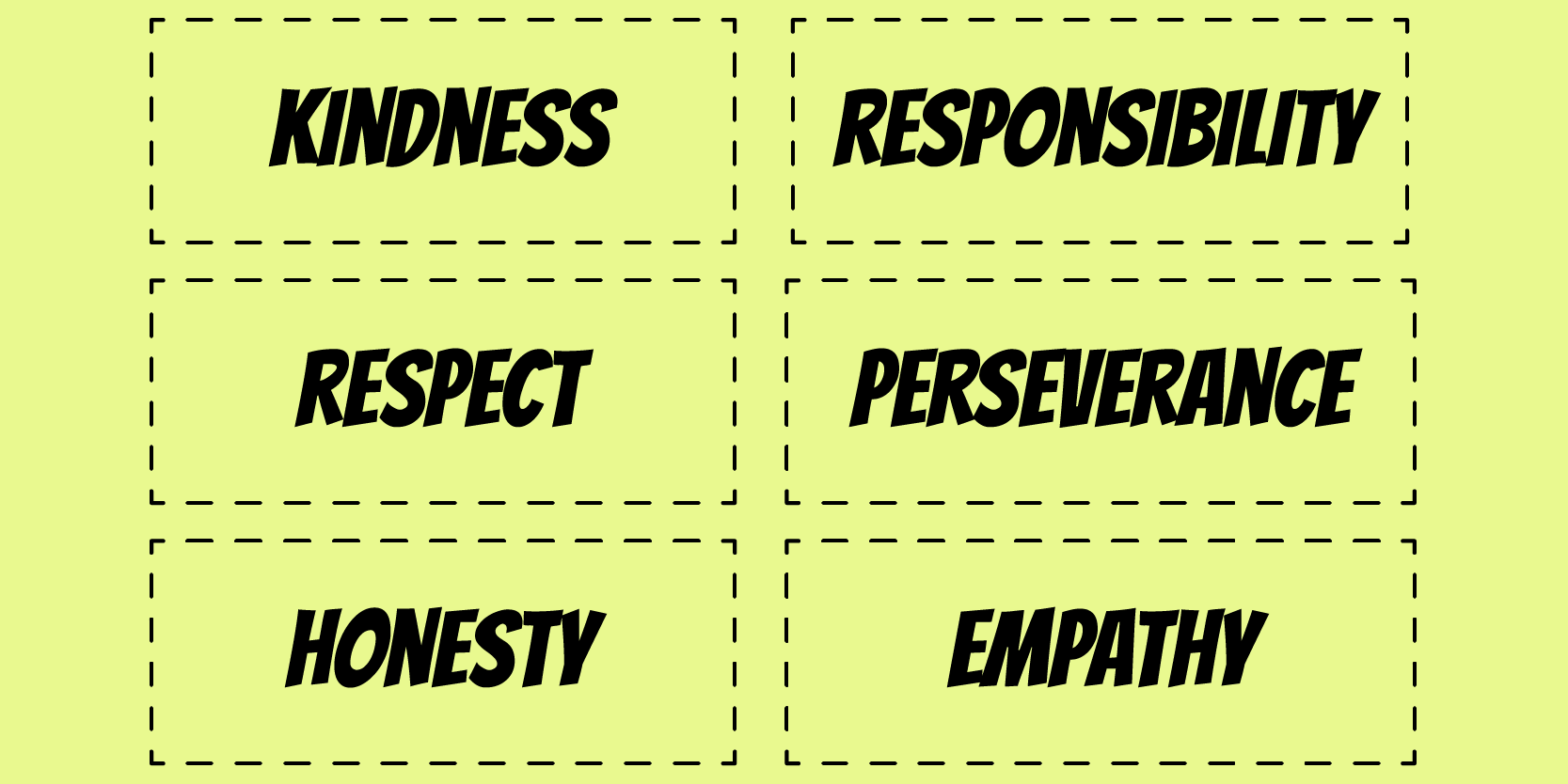
Shared language builds belonging, repetition builds internal regulation, and practice builds identity.
This is the foundation everything else depends on.
Stage 2: Performance Habits, Grades 3–5
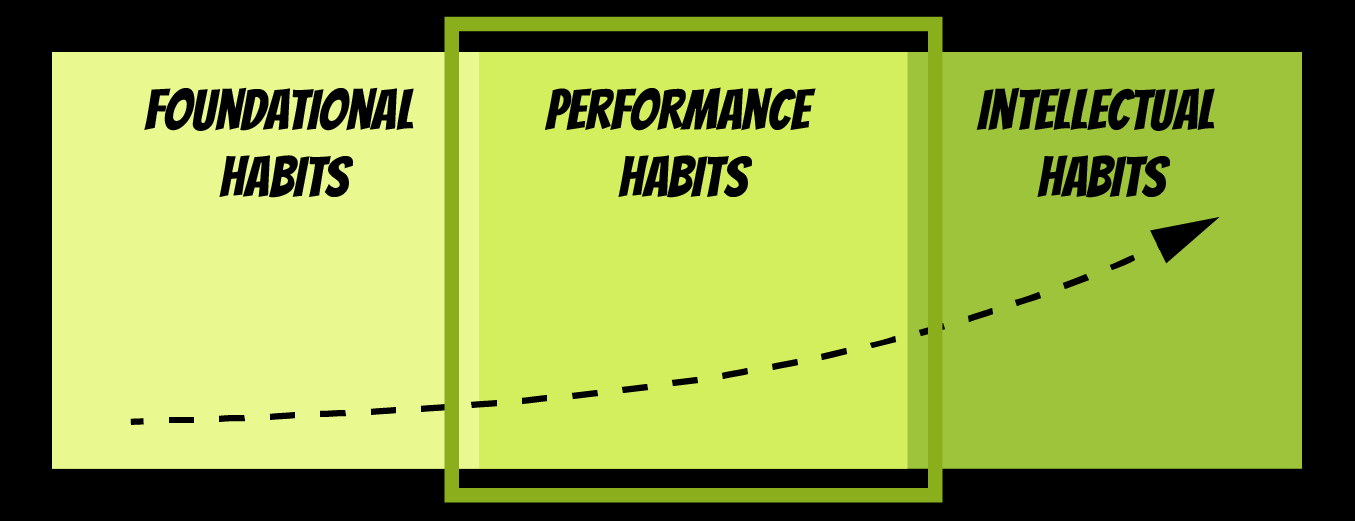
As students mature, habits move from understanding to application.
Now they practice:
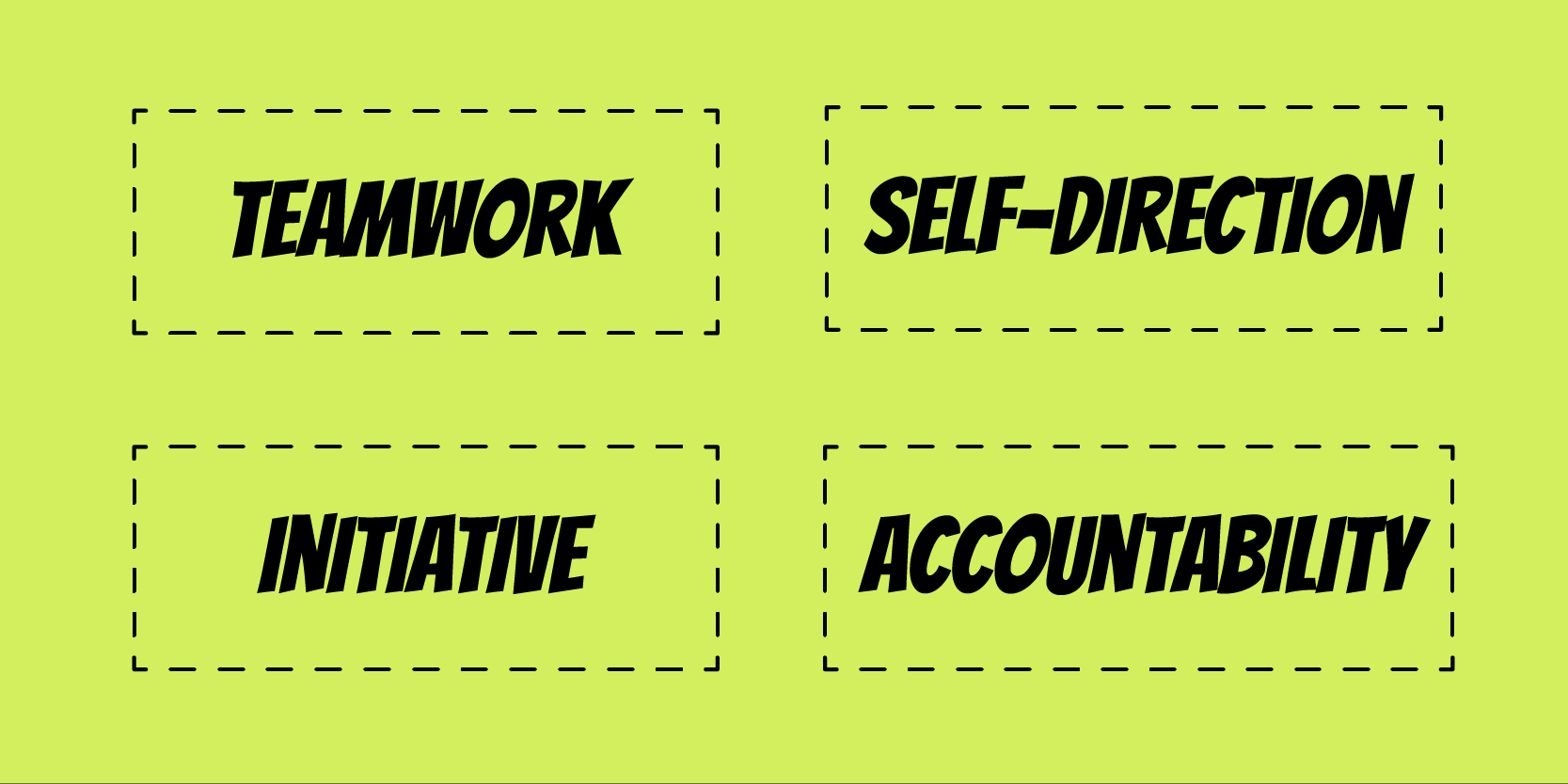
They begin managing their effort.
Owning their role in group work.
Following through without constant reminders.
Habits become visible in how they show up. Ownership grows.
This is where readiness begins to take shape in everyday classroom life.
Stage 3: Intellectual Habits, Grades 5+
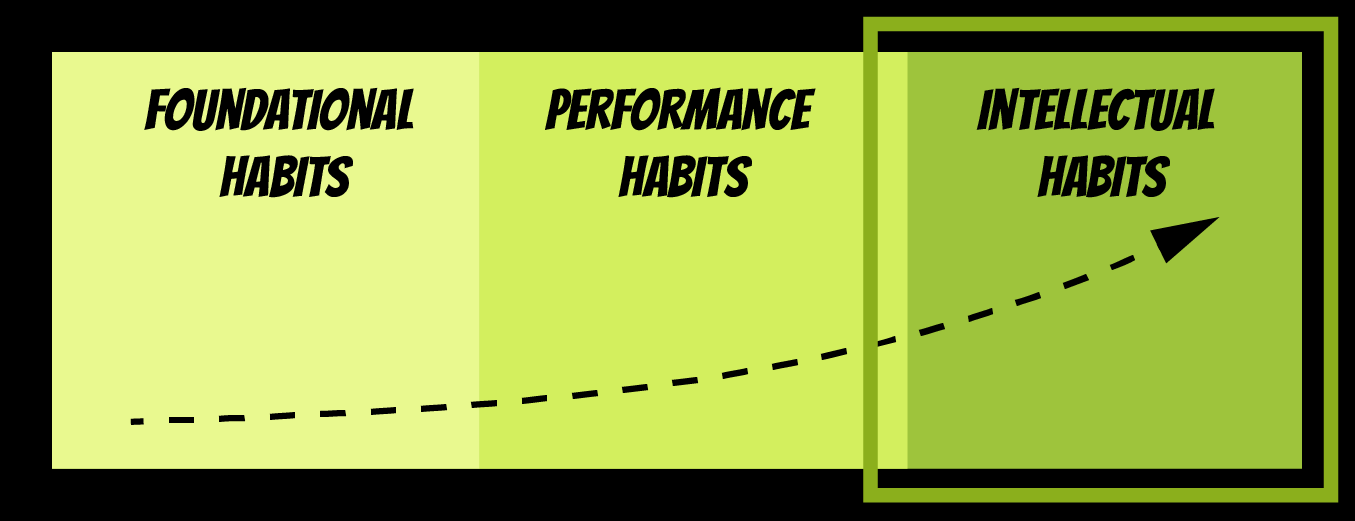
With a strong foundation in place, students begin thinking more deeply.
Now they practice:
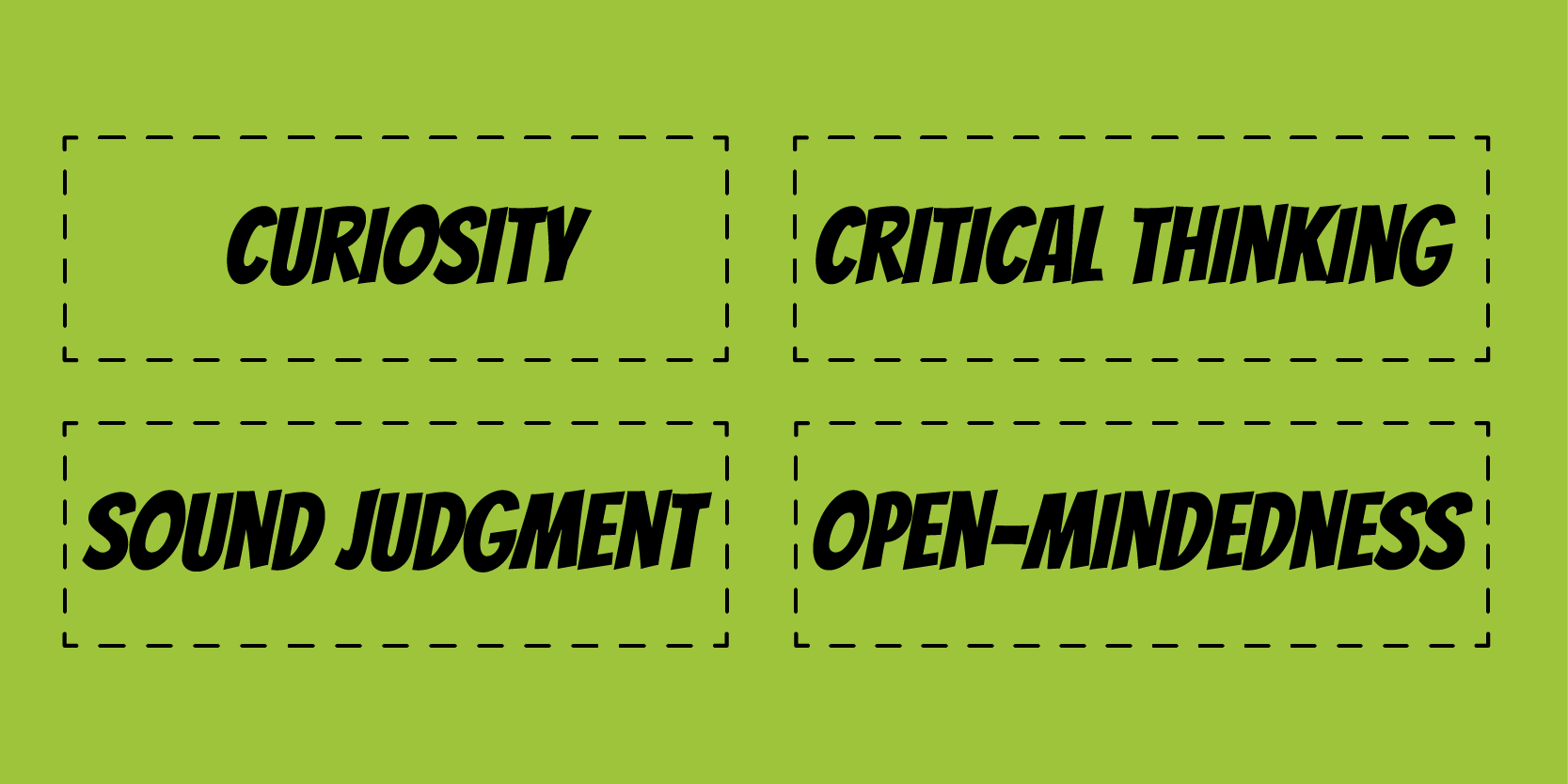
They evaluate before reacting.
They question before concluding.
They reflect before acting.
They are not just following rules.
They are making informed choices.
This is where agency grows.

The Compounding Effect
You cannot build judgment without responsibility.
You cannot build responsibility without empathy.
You cannot build empathy without practice.
When habits are introduced early and reinforced consistently, they strengthen year after year.
By the time students face more complex academic and social demands, they are not starting from scratch. They are building on something solid.