
Students Meet Habits Through Story and Practice
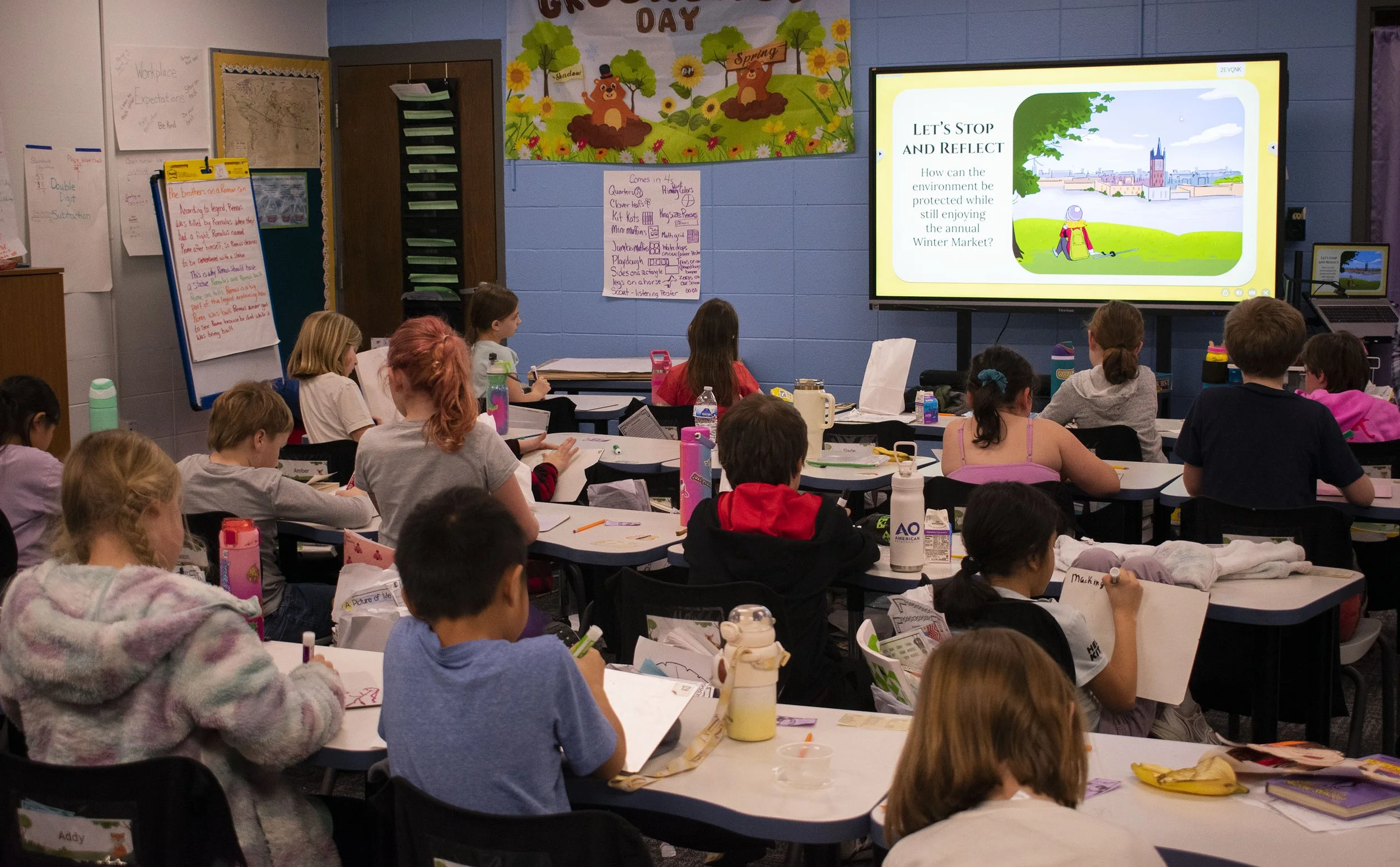
In the early grades, students are introduced to character superheroes who represent foundational habits like empathy, responsibility, perseverance, honesty, and respect.
Lessons are interactive. Students practice in ways that feel natural, playful, and relevant to their real lives.
The goal is to help students understand what those habits look like, sound like, and feel like in everyday situations.
This is where engagement begins.
A Structured Daily Practice That Anchors the Day
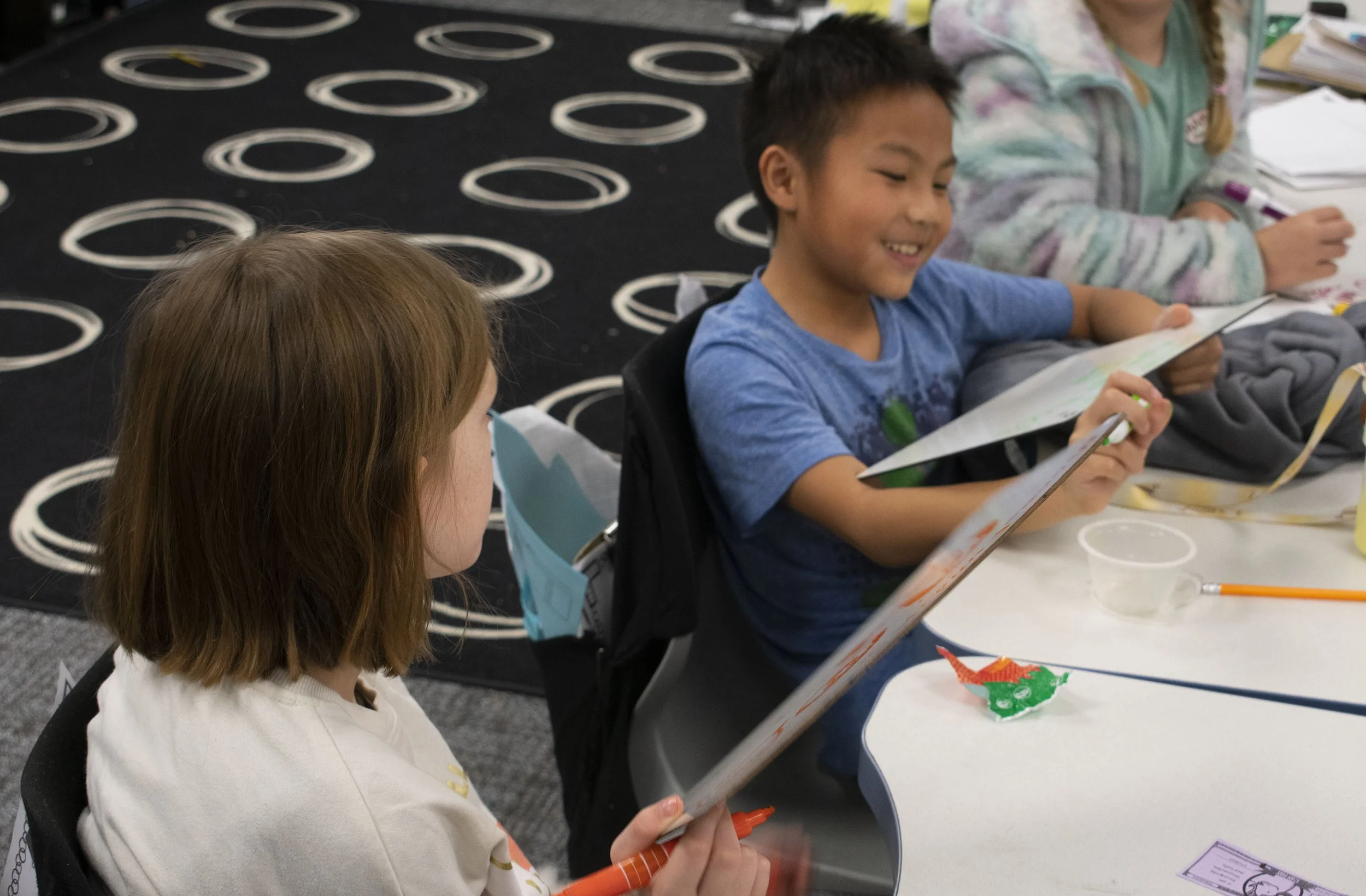
Most schools already have time set aside to build classroom community and support student growth.
UNYTUS provides a structured 20-minute daily practice that uses that time intentionally. During this block, students learn, name, and practice foundational habits in a developmentally appropriate way.
Because the language is clear and consistent, those habits do not stay in the lesson.
They carry into academic instruction.
They show up during transitions.
They appear at recess.
Students begin using the shared language on their own.
Structure replaces guesswork. Consistency replaces reminders. This is where culture steadies.
Habits That Grow With Students
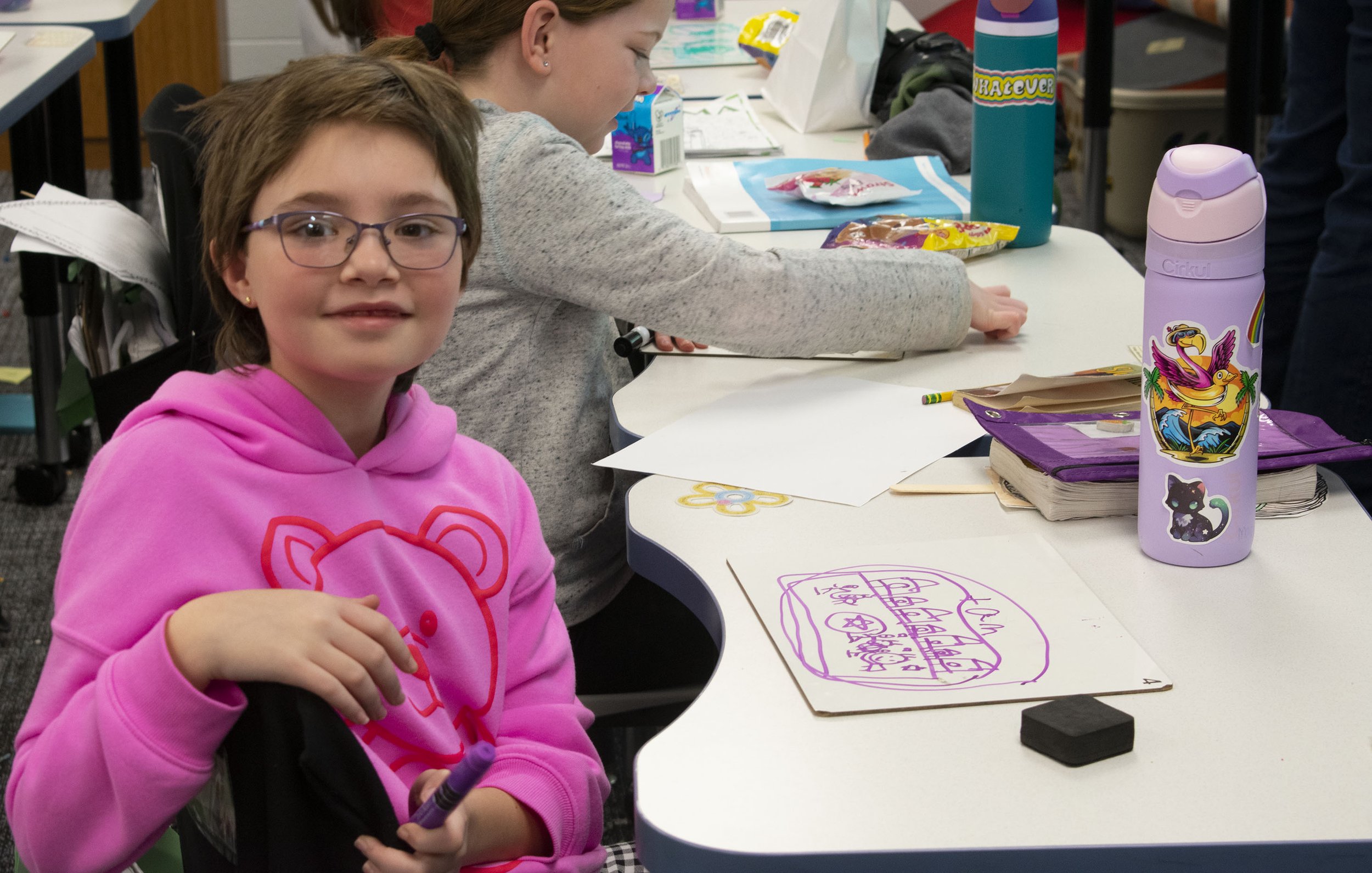
In the early years, students build moral habits like empathy and perseverance. learning how their actions affect others.
As they grow, those foundations expand into performance habits such as reflection and optimism, helping students take ownership of their effort and respond to challenges constructively.
Over time, learning progresses into intellectual habits like critical thinking, conflict resolution, and sound judgment, preparing students to evaluate situations and make thoughtful decisions.
This developmental progression builds agency.
It shapes identity.
It strengthens judgment.
That is life and career readiness built intentionally, not left to chance.